



Heat Exchanger with Conductive PTFE – Redefining Process Safety and Efficiency
In the chemical and pharmaceutical industries, heat exchangers are indispensable. They reliably transfer heat – even under extreme conditions. However, many standard materials reach their limits in demanding applications, whether due to chemical corrosion, high temperatures, or electrically non-conductive fluids.
With our glass-lined heat exchanger with conductive PTFE baffles, THALETEC sets new standards. We combine the proven chemical resistance of glass-lined tubes with electrically conductive PTFE baffles and efficient heat transfer in a compact design – a solution that unites safety, durability, and process optimization.
Why conductive PTFE?
Standard PTFE acts as an insulator. In dynamic processes, this can lead to electrostatic charging – a significant risk, especially when processing electrically non-conductive fluids.
By integrating conductive additives, PTFE becomes electrically dissipative. Advantages at a glance:
- Safe dissipation of electrostatic charge and protection of the glass-lining
- Reliable, long-life operation
- Maximum chemical resistance against aggressive media
- High temperature resistance up to 220 °C
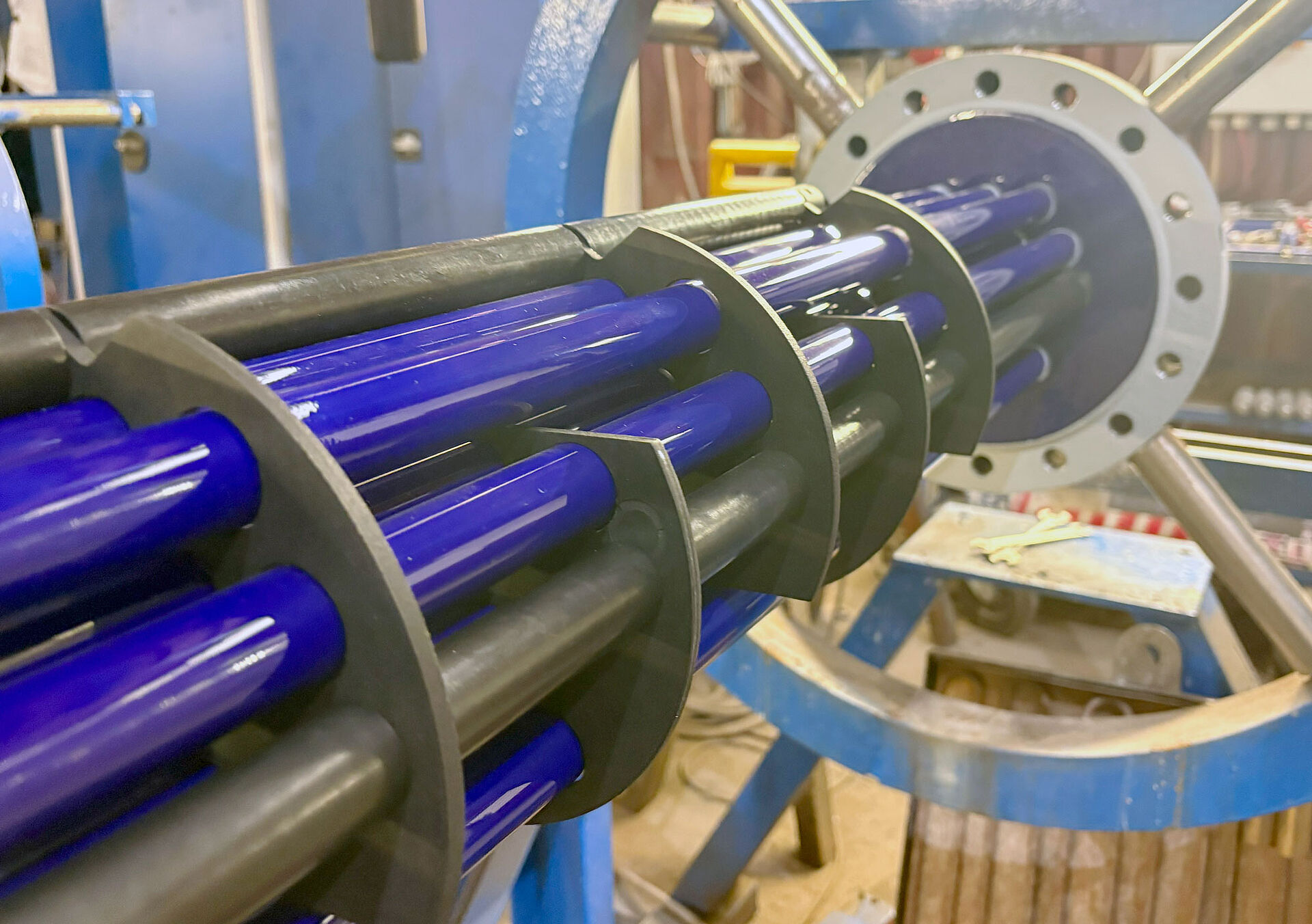
Figure 1: THALETEC heat exchanger with conductive PTFE
Technical Highlights and Process Advantages
- Optimized heat transfer: through a specialized manufacturing technology for glass-lined tubes
- Robust Design: for compact, durable, and low-maintenance components
- Flexible customization: tailored to individual plant requirements – from flow rates and temperature profiles to the required heat flow
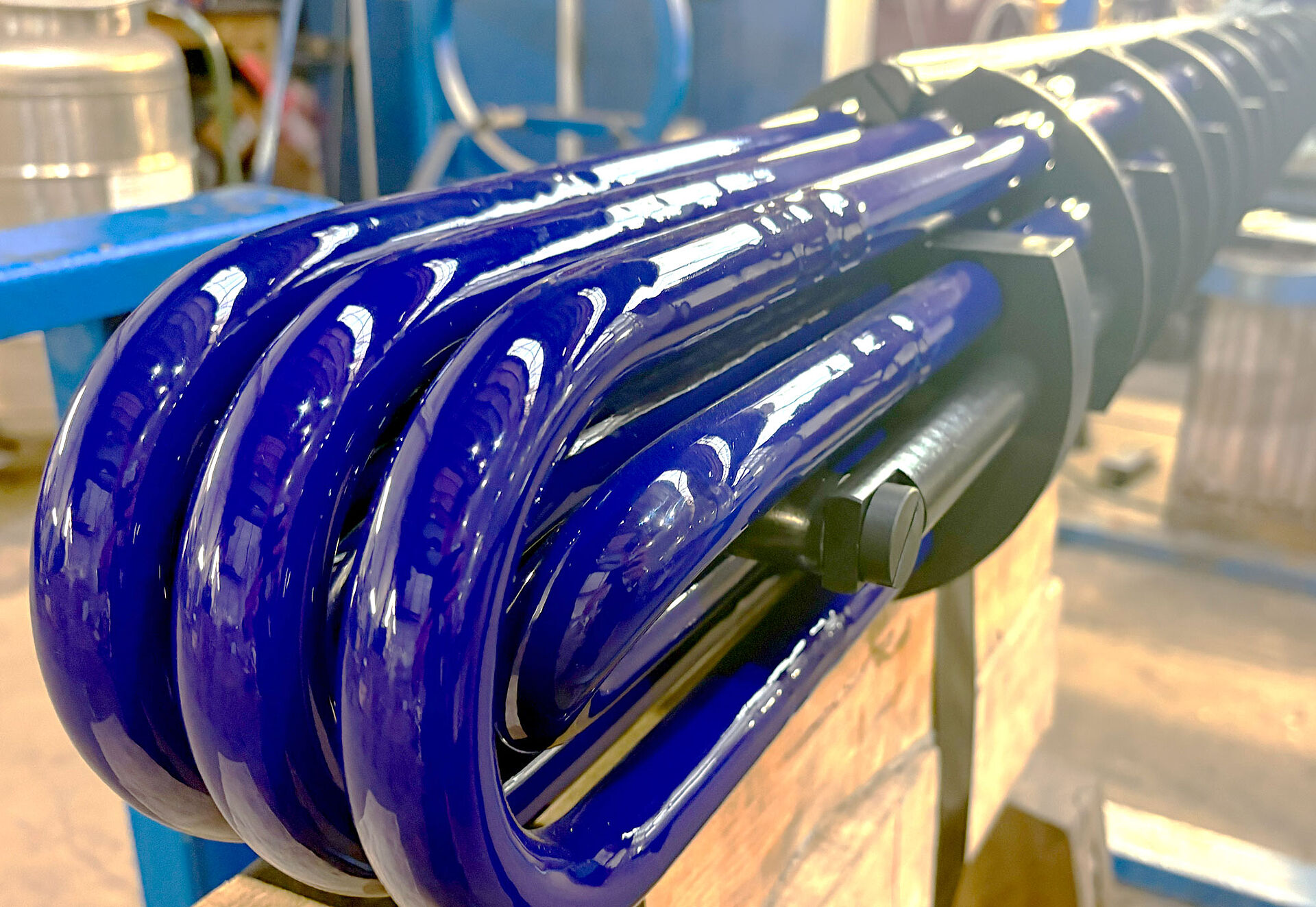
Figure 2: A new definition of process safety and efficiency
Conclusion
Our heat exchanger combines safety, chemical resistance, and thermal efficiency in a single, innovative solution (k014). Operators benefit from durable, low-maintenance components that perform reliably even under the most demanding conditions.
Want to learn more? Contact us at sales@thaletec.com – we’ll be happy to provide individual advice and show you how to make your process even safer and more efficient.